90 Cottrell St Werribee, VIC 3030
Bike Assessment
Bike Assessment
Cycling should feel smooth and comfortable, not painful or restrictive. Knee pain during rides, lower back discomfort after cycling, or numbness in the hands can all signal that your bike setup may not match your body. Even small alignment issues can lead to ongoing strain over time.
A bike assessment focuses on adjusting your riding position to improve comfort, efficiency, and injury prevention. With the right setup, cycling becomes more enjoyable and sustainable.
If discomfort during cycling has been affecting your performance or enjoyment, a professional bike assessment can help identify the cause.
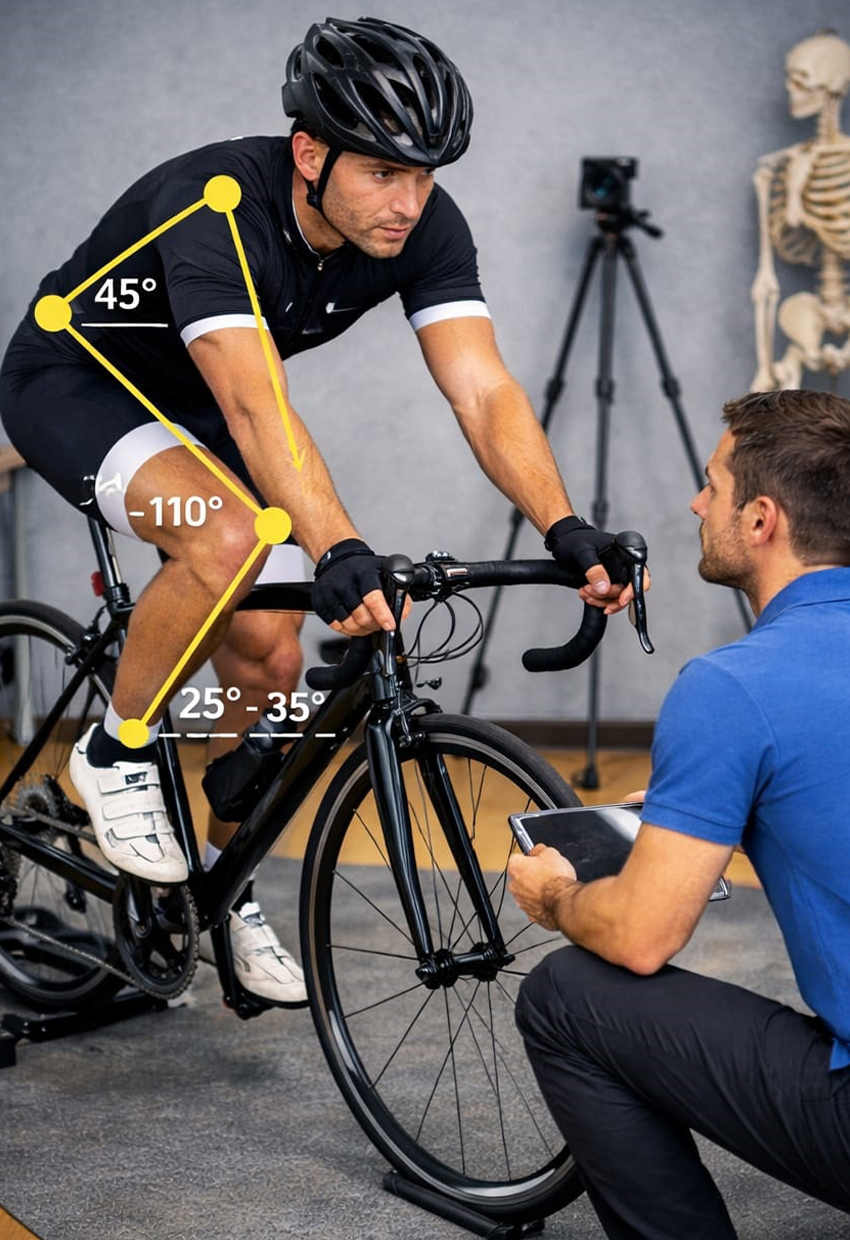
When Your Bike Setup Starts Affecting Your Ride
Discomfort during or after cycling often develops gradually. Small positioning issues can lead to repeated strain on muscles and joints.
The following signs often indicate the need for a bike assessment:
- Knee Pain while Cycling :Pain may appear during pedalling or after rides. The knee may feel strained when climbing hills. Discomfort may worsen with longer rides.
- Lower Back Discomfort :The back may feel tight after cycling. Riding posture may feel difficult to maintain. Longer rides may increase discomfort.
- Hand or Wrist Numbness :Pressure on the handlebars may cause tingling sensations. Grip strength may feel reduced. Hands may feel uncomfortable during longer rides.
These symptoms often relate to saddle height, handlebar position, or pedalling mechanics. Correcting alignment can significantly reduce strain.
If these issues feel familiar, our team can assess your cycling position and recommend adjustments for comfort and performance.
What Contributes To Cycling Discomfort?
Cycling discomfort often develops when the body and bike are not properly aligned. Even small positioning differences can affect movement patterns.
The following contributors are commonly involved:
- Incorrect Saddle Height :A saddle that is too high or too low affects knee movement. Muscles may compensate during pedalling. Strain can develop gradually.
- Handlebar Positioning :Handlebars placed too far or too low may stress the back and shoulders. Riding posture may feel difficult to maintain. Fatigue may increase during rides.
- Pedalling Mechanics :Foot position on the pedals affects joint alignment. Muscle activation may become uneven. Efficiency may decrease over time.
Understanding these contributors helps guide effective bike adjustments. Once positioning improves, cycling often feels more comfortable and efficient.
How Wyndham Physio & Rehabilitation Supports Bike Assessment
A bike assessment combines physiotherapy knowledge with cycling mechanics to improve comfort and performance. Wyndham Physio & Rehabilitation provides structured assessment and adjustment guidance.
Support during a bike assessment includes:
- Riding Position Evaluation :Body alignment on the bike is assessed carefully. Joint movement during pedalling is observed. Areas of strain are identified.
- Bike Setup Adjustments :Saddle height and position are adjusted. Handlebar alignment is reviewed. Riding posture improves gradually.
- Strength and Mobility Guidance :Exercises support cycling posture and endurance. Muscle balance improves over time. Injury risk reduces.
As these adjustments and exercises work together, cycling becomes more comfortable and efficient. Confidence during longer rides improves gradually. Consistent positioning and conditioning help prevent recurring cycling injuries.
Comfort on the bike starts with proper alignment. If you are ready to improve your cycling comfort, contact Wyndham Physio & Rehabilitation to organise a bike assessment.
Frequently Answered Questions
Who should consider a bike assessment?
Cyclists experiencing pain, discomfort, or reduced performance during rides can benefit from a bike assessment.
How long does a bike assessment take?
A bike assessment typically takes about an hour, depending on adjustments required.
Do I need to bring my own bike?
Yes, bringing your own bike ensures adjustments match your riding setup accurately.
Can a bike assessment prevent injuries?
Yes, proper positioning reduces strain on joints and muscles during cycling.
Is a bike assessment only for professional cyclists?
No, recreational cyclists can benefit from improved comfort and efficiency.
If cycling discomfort is affecting your rides, a professional bike assessment can help improve comfort and performance. Book an appointment today and ride with greater confidence and ease.