90 Cottrell St Werribee, VIC 3030
Sciatica
Sciatica
Sciatica can make simple movements feel uncomfortable and unpredictable. Sitting for long periods may increase leg pain. Walking may feel difficult when pain travels down the leg. Even getting out of bed can feel challenging when the lower back or hip feels irritated. Over time, these symptoms can affect daily comfort and mobility.
Sciatica occurs when the sciatic nerve becomes irritated or compressed, often causing pain that travels from the lower back into the leg. With proper assessment and rehabilitation, symptoms can be reduced, and movement can improve.
If leg pain or nerve discomfort has been affecting your routine, early treatment can help prevent symptoms from becoming persistent.
When Sciatica Symptoms Begin To Appear
Sciatica symptoms often develop gradually, although they can sometimes appear suddenly. Recognising early changes can support faster recovery.
The following symptoms often appear first:
- Radiating Leg Pain :Pain may travel from the lower back into the hip or leg. Sitting may increase discomfort. Walking may feel difficult at times.
- Tingling or Numbness :The leg or foot may feel numb or tingly. Sensation may change during movement. Standing for long periods may increase symptoms.
- Lower Back Stiffness :The lower back may feel tight during movement. Bending or lifting may feel uncomfortable. Movement may feel cautious.
These symptoms often indicate nerve irritation in the lower back. Addressing them early can support recovery.
If these signs feel familiar, our physiotherapy team can assess your movement and guide treatment safely.
What Contributes To Sciatica?
Sciatica usually develops when pressure is placed on the sciatic nerve. This pressure can come from joints, discs, or surrounding muscles.
The following contributors are commonly involved:
- Disc Irritation :Spinal discs may press on nearby nerves. Movement may feel painful. Sitting may increase symptoms.
- Muscle Tightness Around The Nerve :Muscles in the hip or lower back may become tight. Nerve movement may feel restricted. Leg discomfort may increase.
- Reduced Core Support :Muscles supporting the spine may weaken over time. Joint stability may decrease. Nerve sensitivity may increase.
Understanding these contributors helps guide effective rehabilitation. Once the cause becomes clearer, treatment can focus on relieving nerve irritation and restoring movement.
How Wyndham Physio & Rehabilitation Supports Sciatica Recovery
Recovery improves when nerve mobility, strength, and spinal movement are addressed together. Wyndham Physio & Rehabilitation provides structured care to support sciatica recovery.
Support for sciatica includes:
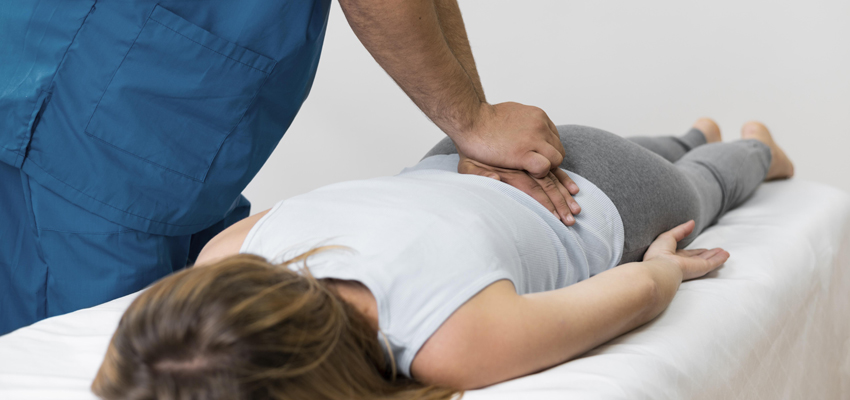
- Physiotherapy Assessment and Treatment :Lower back movement and nerve symptoms are evaluated carefully. Movement limitations are identified. Treatment focuses on reducing nerve irritation safely.
- Mobility and Strength Rehabilitation :Exercises improve spinal mobility gradually. Core muscles become stronger. Movement becomes more supported.
- Remedial Massage and Dry Needling :Muscle tension in the lower back and hip is reduced. Circulation improves. Rehabilitation becomes more comfortable.
As these treatments work together, nerve-related symptoms gradually reduce. Walking and sitting become more comfortable. Professional rehabilitation helps reduce recurring sciatica pain.
Relieving nerve pressure supports comfortable movement. If you are ready to begin recovery, contact
Wyndham Physio & Rehabilitation to organise your first appointment.
Frequently Answered Questions
What is sciatica?
Sciatica is nerve pain that travels from the lower back into the leg.
Is sciatica serious?
Most cases improve with rehabilitation, but persistent symptoms should be assessed.
Can physiotherapy help sciatica?
Yes, physiotherapy can reduce nerve irritation and improve movement.
How long does sciatica recovery take?
Recovery varies depending on the cause and rehabilitation consistency.
Should I rest if I have sciatica?
Gentle movement is usually recommended unless advised otherwise.
If sciatica is affecting your comfort or mobility, structured rehabilitation can help restore movement and reduce pain. Book an appointment today and take the first step towards comfortable movement.