90 Cottrell St Werribee, VIC 3030
Jaw Pain
Jaw Pain
Jaw pain can make everyday activities uncomfortable. Chewing may feel difficult. Talking for long periods may increase tension. Yawning or opening the mouth wide may trigger discomfort. Over time, jaw pain can affect sleep, concentration, and overall comfort.
Jaw pain often involves the temporomandibular joint (TMJ), surrounding muscles, or alignment issues. With proper assessment and rehabilitation, jaw movement can become smoother and less painful.
If jaw discomfort has been affecting your daily routine, early assessment can help prevent ongoing tension and restriction.
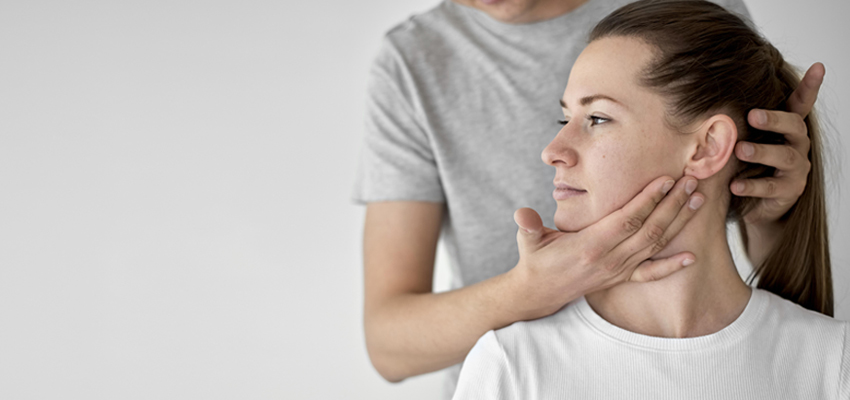
When Jaw Movement Starts Feeling Restricted
Jaw conditions often develop gradually. Mild clicking or tension may appear before pain becomes noticeable. Recognising these early signs can support faster recovery.
The following changes often appear first:
- Pain While Chewing : Chewing food may feel uncomfortable. The jaw may feel sore after meals. Hard or chewy foods may increase discomfort.
- Clicking Or Popping Sounds : The jaw may produce sounds during opening or closing. Movement may feel uneven. Clicking may occur without pain at first.
- Limited Jaw Opening : Opening the mouth wide may feel restricted. Yawning may feel uncomfortable. The jaw may feel tight in the morning.
These symptoms often indicate muscle tension or joint irritation in the jaw. Addressing them early can prevent worsening discomfort.
If these signs feel familiar, our physiotherapy team can assess your jaw movement and guide treatment safely.
What Contributes To Jaw Pain?
Jaw pain often develops due to muscle tension, stress, or joint strain. These contributing factors may build gradually over time.
The following contributors are commonly involved:
- Teeth Clenching or Grinding : Jaw muscles may remain tense during sleep or stress. Joint pressure may increase. Morning stiffness may occur.
- Postural Strain : Forward head posture may place stress on the jaw. Neck muscles may tighten. Jaw alignment may become affected.
- Joint Irritation : The temporomandibular joint may become inflamed. Movement may feel restricted. Pain may increase with talking or chewing.
Understanding these contributors helps guide effective rehabilitation.
Once the cause becomes clearer, treatment can focus on relieving tension and restoring smooth jaw movement.
How Wyndham Physio & Rehabilitation Supports Jaw Pain Recovery
Recovery improves when muscle tension, joint mobility, and posture are addressed together. Wyndham Physio & Rehabilitation provides structured care to support jaw rehabilitation.
Support for jaw pain includes:
- Physiotherapy Assessment and Treatment : Jaw and neck movement are evaluated carefully. Muscle tension patterns are identified. Treatment focuses on restoring comfortable movement.
- Jaw and Postural Rehabilitation Exercises : Gentle exercises improve jaw mobility gradually. Neck and upper back strength improve. Alignment becomes more stable.
- Remedial Massage and Dry Needling : Muscle tension in the jaw, neck, and shoulders is reduced. Circulation improves. Movement becomes more comfortable.
As these treatments work together, jaw movement becomes smoother and less painful. Daily activities such as chewing and talking feel easier.
Consistent rehabilitation helps reduce recurring jaw discomfort.
Comfortable jaw movement supports everyday ease.
If you are ready to begin recovery, contact Wyndham Physio & Rehabilitation to organise your first appointment.
Frequently Asked Questions
What causes jaw pain?
Jaw pain is often caused by muscle tension, teeth grinding, or temporomandibular joint irritation.
Can physiotherapy help jaw pain?
Yes, physiotherapy can reduce tension and improve jaw movement safely.
Is jaw clicking always serious?
Clicking without pain may not be serious, but persistent symptoms should be assessed.
Can posture affect jaw pain?
Yes, poor posture can increase strain on jaw and neck muscles.
How long does jaw rehabilitation take?
Recovery time depends on symptom severity and consistency with treatment.
If jaw pain is affecting your comfort or daily function, structured rehabilitation can help restore smooth movement.
Book an appointment today and take the first step towards comfortable jaw movement.